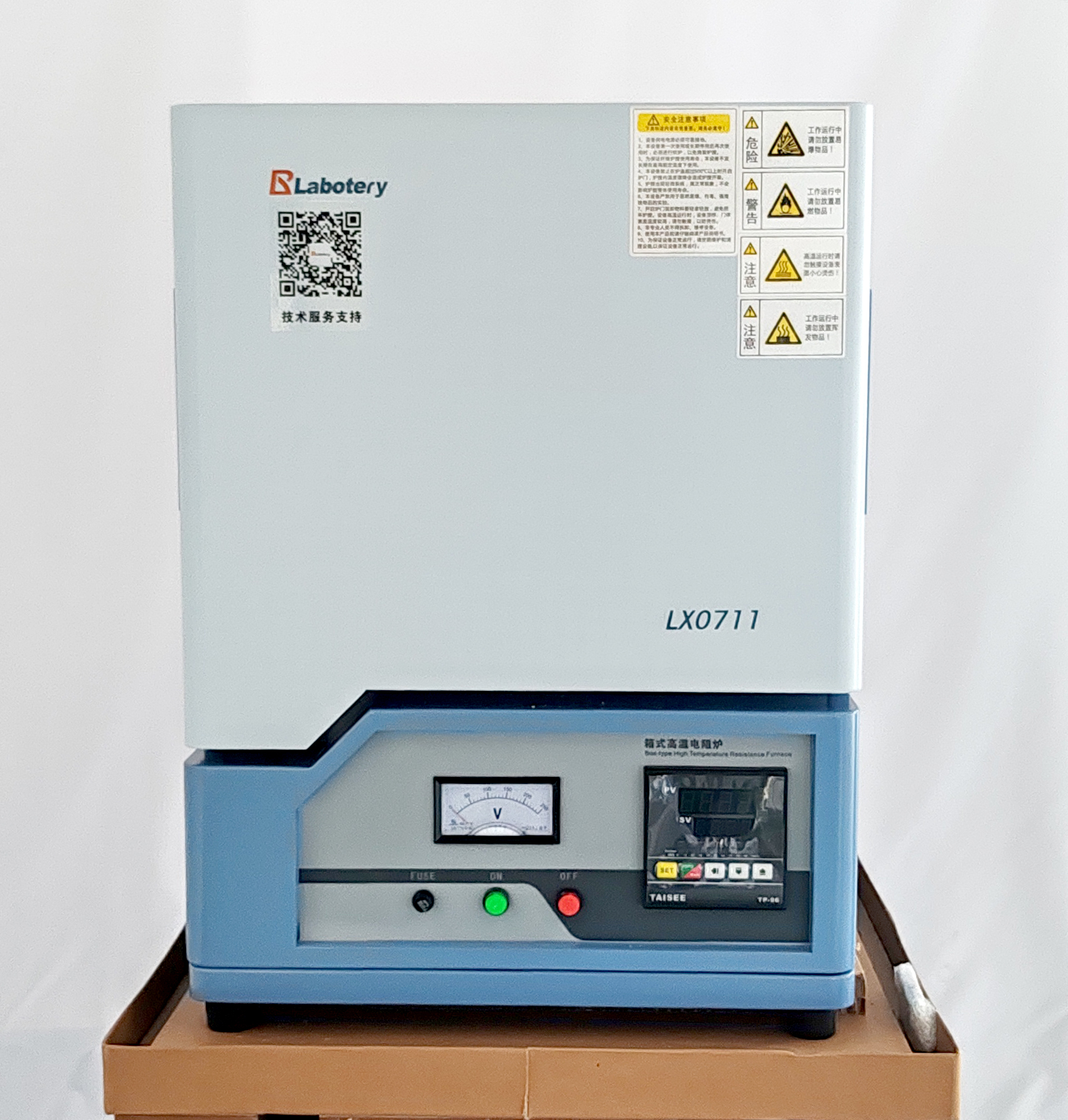

In the fields of materials science, chemical analysis, and heat treatment, box-type high temperature resistance furnaces are essential laboratory equipment. With various models differing in temperature range, capacity, and control precision, selecting the right furnace requires a comprehensive evaluation.
First, determine the maximum temperature required for your experiments. The 1200°C series is suitable for routine sintering, ashing, and metal annealing, while the 1400°C series is designed for research on ceramic materials and high-temperature alloys. The optimal working temperature range should also be considered to ensure long-term stable operation.
Next, consider the chamber volume. Small-capacity models such as the LX0211 (1.5L) are ideal for processing small sample volumes, while larger models like the LX3611 (36L) can accommodate batch processing or larger workpieces. Choose based on sample size and quantity.
Control precision is another key factor. Models equipped with intelligent PID control systems achieve temperature accuracy of ±1°C and support fuzzy logic self-tuning, meeting the requirements of precision heating experiments. For users needing complex heating and cooling programs, a 40-segment programmable control system is available.
Safety features should not be overlooked. Functions such as automatic power-off when the door opens, over-temperature protection, and leakage protection help ensure operator and equipment safety. The double-shell structure provides effective insulation, keeping the exterior surface temperature low to prevent burns.
Finally, if smoke exhaust is required, models with a natural smoke exhaust device can be selected, applicable to the 1200°C series.